
Elite Handling Solution » Equipments » Reach Truck
Reach trucks are warehouse material handling equipment designed for lifting, positioning, and moving palletized loads in storage and distribution environments. As a reach truck supplier, Elite Group India provides access to reach truck solutions within its warehousing equipment range for businesses seeking practical equipment for warehouse and industrial material movement.
A reach truck can be considered when operations involve organized pallet storage, vertical handling, and movement through warehouse aisles. The appropriate equipment depends on factors such as the load being handled, required lifting application, aisle conditions, operating frequency, storage layout, and equipment configuration. Elite Group India’s warehousing equipment range also includes pallet trucks, stackers, order pickers, and dock levelers, allowing buyers to evaluate reach trucks alongside other material handling solutions.
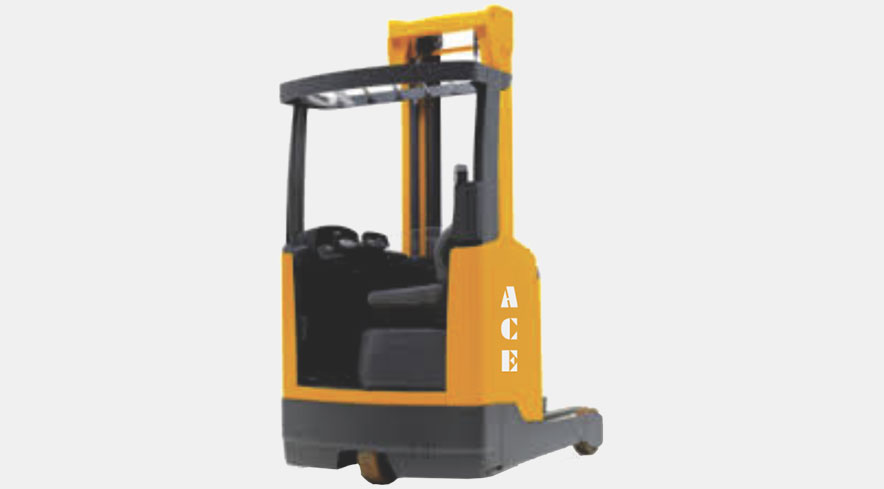
A reach truck is a material handling machine used primarily for pallet handling and storage operations. Its configuration is suited to warehouse applications where loads need to be lifted, moved, and positioned within storage areas.
Reach trucks are particularly relevant to operations where warehouse space, pallet storage arrangements, and vertical material movement are important considerations. Instead of selecting equipment based only on lifting requirements, buyers should assess the complete operating environment, including aisle dimensions, pallet characteristics, load weight, lifting requirements, travel distance, and frequency of use.
For procurement and warehouse teams, a reach truck should therefore be treated as part of an overall material handling system rather than as an isolated machine.
Elite Group India’s website identifies Reach Truck as part of its warehousing equipment range.
The category is relevant for businesses looking to improve pallet movement and storage handling within warehouses, logistics facilities, manufacturing operations, and distribution environments.
When evaluating a reach truck, buyers should review the specific model information provided by the supplier and manufacturer before making a purchasing decision. This helps ensure that the selected configuration matches the site’s actual operating requirements.
For buyers comparing different warehouse handling solutions, Elite Group India also offers related categories such as pallet trucks, stackers, order pickers, and dock levelers. These products serve different handling functions and should be selected according to the workflow they are intended to support.
Reach truck applications can be differentiated according to the way materials are stored and handled rather than by creating artificial equipment classifications.
Reach trucks are suitable for operations where palletized goods need to be moved between warehouse locations and storage positions. The machine selected should correspond to the site’s storage system, load characteristics, and required handling process.
Where warehouse operations involve lifting pallets to elevated storage positions, reach truck selection should consider the required lifting application and the characteristics of the storage system.
Warehouse layout is an important consideration. A reach truck must be appropriate for the available operating space, aisle arrangement, pallet positions, and movement patterns within the facility.
Distribution centers and warehouses may use reach trucks as part of a broader material handling workflow involving receiving, storage, inventory movement, order preparation, and dispatch.
The exact suitability of a reach truck depends on the equipment configuration and operating requirements of the individual facility.
Reach trucks are primarily associated with organized material handling and storage operations. Common applications include:
Elite Group India specifically identifies warehousing, manufacturing facilities, and logistics centers among the environments supported by its material handling equipment portfolio.
The main value of a reach truck is its ability to support organized pallet handling and storage operations. Depending on the application and selected configuration, businesses may use reach trucks to:
Safety should remain an essential part of equipment selection and operation. Operators should follow the applicable operating procedures, manufacturer instructions, load limits, workplace requirements, and site-specific safety practices.
Choosing the right reach truck requires more than comparing machines by price or general lifting capability. Procurement and warehouse managers should first understand the actual operating conditions.
Consider the following factors:
Identify the type, weight, dimensions, and packaging of the loads being handled. The equipment must be appropriate for the intended load and operating configuration.
Review the type and arrangement of pallet storage. Rack configuration, pallet position, and required lifting operation can influence equipment selection.
Measure the available aisle space and operating areas. The selected reach truck should be suitable for the facility’s physical layout and movement requirements.
Determine where loads need to be positioned and the required lifting application. The relevant equipment specifications should be checked against the actual storage arrangement.
Consider how frequently the equipment will be used during each shift or operating period. Repetitive material handling applications may require a different equipment approach from occasional handling.
Consider whether the machine will operate in a warehouse, manufacturing area, distribution center, or another environment. Floor conditions, traffic patterns, storage systems, and workplace requirements should all be reviewed.
Confirm that the selected reach truck is compatible with the pallets, racks, storage layout, and material handling process. A supplier can help evaluate the equipment against the application before purchase.
Different industries can have different warehouse handling requirements even when the basic task moving and storing palletized loads is similar.
In manufacturing, reach trucks may support the movement of raw materials, components, work-in-process materials, and finished goods between production and storage areas.
In logistics and distribution, the focus may be on organized pallet movement across receiving, storage, inventory, and dispatch workflows.
In automotive operations, warehouse handling may involve palletized components and packaged materials, making storage layout and load characteristics important selection considerations.
For industrial warehouses, the equipment selection process should account for the nature of stored products, pallet configuration, rack arrangement, available space, and operating frequency.
The right choice is therefore application-specific. A reach truck that suits one warehouse layout may not be appropriate for another without reviewing the relevant equipment and site requirements.
Elite Group India positions itself as a material handling equipment supplier in India, with a portfolio covering forklifts, forklift attachments, warehouse equipment, and professional cleaning equipment. The company states that it was established in 2012 and works with brands including ACE, Kärcher, and Cascade.
For warehouse buyers, this broader portfolio is useful when evaluating material handling requirements because reach trucks can be considered alongside other warehouse equipment rather than in isolation.
Elite Group India’s website also highlights equipment consultation as part of its offering. Buyers can therefore provide information about their application, load requirements, warehouse layout, and handling process when discussing equipment requirements with the company.
For commercial enquiries, buyers can contact Elite Group India through its enquiry page to discuss equipment requirements and request further information.
A reach truck is used primarily for pallet handling, storage, retrieval, and movement within warehouse environments. It can be considered for operations involving organized pallet storage and vertical material handling. The correct configuration should be selected according to load characteristics, storage arrangement, aisle conditions, and the specific requirements of the facility.
Both are material handling machines, but their configurations and intended applications can differ. Reach trucks are commonly associated with warehouse pallet storage and retrieval, while conventional forklifts can be used across a broader range of material handling environments. Selection should be based on the load, storage system, operating area, and application.
Reach trucks are commonly relevant to warehousing, logistics, distribution, manufacturing, automotive, and other operations involving palletized goods. The suitability of a reach truck depends on the facility’s storage system, load characteristics, aisle layout, lifting requirements, and frequency of operation.
Start by assessing the load weight and dimensions, pallet type, rack configuration, required lifting application, aisle width, operating environment, and usage frequency. The equipment’s verified specifications should then be compared with these requirements before purchase. A supplier can assist in matching the equipment configuration to the application.
Yes, reach trucks are specifically relevant to warehouse material handling and pallet storage applications. They can support movement and positioning of palletized goods within suitable warehouse layouts. However, the actual suitability depends on factors such as aisle dimensions, storage configuration, load characteristics, and required lifting operations.
Elite Group India
Your message matters — we reply quickly
Any questions related to Reach Truck?
WhatsApp Us
Online | Privacy policy
WhatsApp us