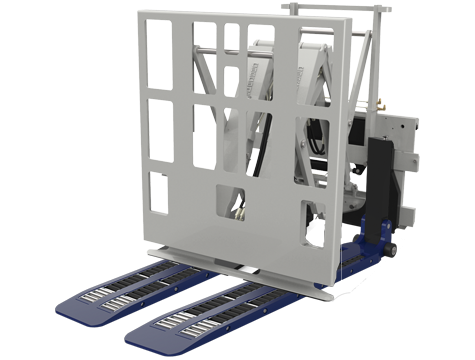
Push/Pulls & Slipsheet Handling

Push Pull Attachments & Slipsheet Handling Solutions in Saudi Arabia

Overview of Push Pulls and Slipsheet Handling Systems

Modern warehouses, distribution centers, and logistics facilities in Saudi Arabia face growing pressure to increase operational efficiency, reduce costs, and optimize storage space. Push pull attachments and slipsheet handling solutions have emerged as an essential tool to meet these objectives.

Push pull and slipsheet systems allow businesses to handle goods without relying on traditional wooden or plastic pallets. This approach reduces material costs, minimizes storage requirements, and accelerates the flow of goods within warehouses and during transportation.

Understanding Push Pull Forklift Attachments

A push pull forklift attachment is a hydraulically operated device mounted on a forklift that enables operators to handle loads placed on slip sheets instead of pallets. The system works by gripping the slip sheet tab, pulling the load onto a thin platen, and then smoothly pushing it off at the destination.

Unlike conventional pallet-based handling, push pull systems allow warehouses to operate with thinner, lighter slip sheets, which occupy less space and reduce overall material costs. This system is particularly effective in high-volume operations where large quantities of packaged goods are moved frequently.

Key advantages include:

  • Eliminating the dependency on bulky wooden or plastic pallets
  • Optimizing warehouse storage density and shelf space
  • Improving transportation efficiency by reducing shipment weight 


How Push Pull and Slipsheet Handling Improve Warehouse Performance

Implementing slipsheet handling attachments in warehouse operations can lead to significant performance improvements. Facilities across Saudi Arabia benefit from:

  1. Reduced Dependency on Pallets – Businesses can save on the recurring cost of purchasing, storing, and replacing pallets.
  2. Optimized Warehouse Space – Slip sheets occupy minimal thickness, allowing more goods to be stored per square meter.
  3. Lower Transportation Weight – Lightweight slip sheets reduce the overall weight of shipments, resulting in lower freight charges.
  4. Faster Loading and Unloading Cycles – Forklift operators can quickly move loads without pallet handling delays.
  5. Minimized Product Damage – Controlled grip and movement reduce the risk of load shifting or crushing during transport. 

Core Features of Push Pull Forklift Systems

Our push pull forklift attachments are engineered for durability, reliability, and smooth operation in demanding industrial settings. Key features include:

  • Heavy-Duty Hydraulic Gripping Mechanism: Ensures secure engagement of slip sheets for safe load movement.
  • Reinforced Platen Construction: Built to withstand repeated use and heavy loads.
  • Smooth Push and Pull Operation: Allows precise handling of goods, reducing the risk of product damage.
  • Wide Forklift Compatibility: Designed to work with forklifts of varying load capacities.
  • Precision Engineering for Safety: Ensures controlled movement and minimizes operational risks.
  • Low-Maintenance Design: Ideal for high-volume operations requiring consistent performance.

Types of Push/Pulls & Slipsheet Handling

  • QFM Push Pull Attachments

    • High-performance solution for handling unit loads on slip sheets.
    • Eliminates the need for traditional pallets, reducing material costs.
    • Optimizes warehouse space and improves overall operational efficiency.
    • Ideal for FMCG warehouses, manufacturing facilities, and high-volume distribution centers. 
  • Push Pulls with Cascade-Kooi Rollerforks

    • Combines slip sheet handling with Rollerforks® technology for versatile operations.
    • Enables forklifts to lift and transfer goods directly from containers, trucks, or pallets.
    • Streamlines loading and unloading processes while reducing manual handling.
    • Supports faster material flow and enhances warehouse productivity. 
  • Benefits of Both Types

    • Improve operational efficiency and reduce handling time.
    • Lower logistics and material handling costs.
    • Enhance load stability and safety during movement.
    • Maximize warehouse space utilization for optimized storage.


Industries Using Slipsheet Handling Attachments in Saudi Arabia

Push pull and slipsheet handling solutions are increasingly adopted across multiple sectors due to their efficiency and cost-effectiveness. Key industries include:

  • FMCG Distribution Centers – Fast-moving consumer goods warehouses benefit from faster handling and increased storage density.
  • Food and Beverage Processing Facilities – Safe handling of packaged food items without pallets reduces contamination risks.
  • Pharmaceutical and Healthcare Warehouses – Sensitive and fragile products are transported with controlled pressure and minimal handling damage.
  • Retail and E-Commerce Fulfillment Hubs – Enables high-speed picking, packing, and shipping processes.
  • Export Packaging and Shipping Operations – Reduces shipping weight and maximizes container utilization. 

Safety Best Practices in Slipsheet Handling Operations

Proper operation of slipsheet forklift attachments is crucial to maintaining safety. Potential risks include load instability, hydraulic failures, and operator errors. Key safety guidelines include:

  • Comprehensive operator training on push pull system controls and load handling procedures
  • Routine inspection of hydraulic hoses, cylinders, and gripping mechanisms
  • Adherence to the rated load capacities of both the forklift and attachment
  • Ensuring compatibility between forklifts and push pull attachments
  • Using certified, high-quality equipment from a trusted supplier to minimize operational risks 

By following these practices, businesses can achieve safe and efficient slipsheet handling operations.

Maintenance Requirements for Push Pull Attachments

  • Regular Maintenance – Ensures smooth performance, longer life, and safer operation.
  • Hydraulic Inspection – Check hoses and cylinders for leaks or wear.
  • Platen Check – Inspect alignment to prevent unstable loads.
  • Grip & Controls – Ensure proper hydraulic response and secure handling.

Choosing a Push/Pulls & Slipsheet Handling Supplier in Saudi Arabia

Selecting a reliable supplier for push pull and slipsheet handling solutions is critical for operational success. A professional supplier offers:

  • Industry Expertise – Understanding the specific needs of warehouse operations and load handling requirements.
  • Quality and Reliability – Equipment undergoes rigorous testing, including hydraulic performance, load capacity, and structural integrity.
  • Customization and Compatibility – Solutions are tailored for different forklift models, load types, and warehouse layouts.
  • Nationwide Availability – Fast and efficient delivery of attachments across Saudi Arabia, ensuring uninterrupted operations. 

Conclusion

Push pull attachments and slipsheet handling systems offer a cost-effective and highly efficient alternative to traditional pallet-based material handling. For businesses in Saudi Arabia, these solutions help reduce material and operational costs, maximize warehouse space, and streamline the flow of goods throughout logistics and storage operations.

Choosing a reliable push/pulls and slipsheet handling supplier ensures access to durable, high-quality equipment along with expert guidance and ongoing support. With safe, efficient, and long-lasting forklift attachments, businesses can improve operational productivity, enhance load safety, and maintain future-ready warehouse and distribution operations.

FAQs

 A push pull attachment allows forklifts to handle loads placed on slip sheets instead of pallets, enabling pallet-free material handling.

Slip sheets are thin, durable sheets used under goods to facilitate cost-effective and space-saving warehouse operations.

 Key industries include FMCG distribution, food and beverage, pharmaceuticals, retail, e-commerce fulfillment, and manufacturing.

Compatibility depends on the forklift’s hydraulic capacity, mounting class, and operational requirements.

 Maintenance depends on usage and operating conditions, but regular inspections and servicing are recommended to ensure reliability.

Yes, they reduce pallet expenses, lower shipping weight, improve space utilization, and accelerate loading/unloading cycles.

Specialized suppliers ensure correct application, operational safety, tailored solutions, and long-term support for efficient warehouse operations.